
What Is the Difference Between Lash Curls?
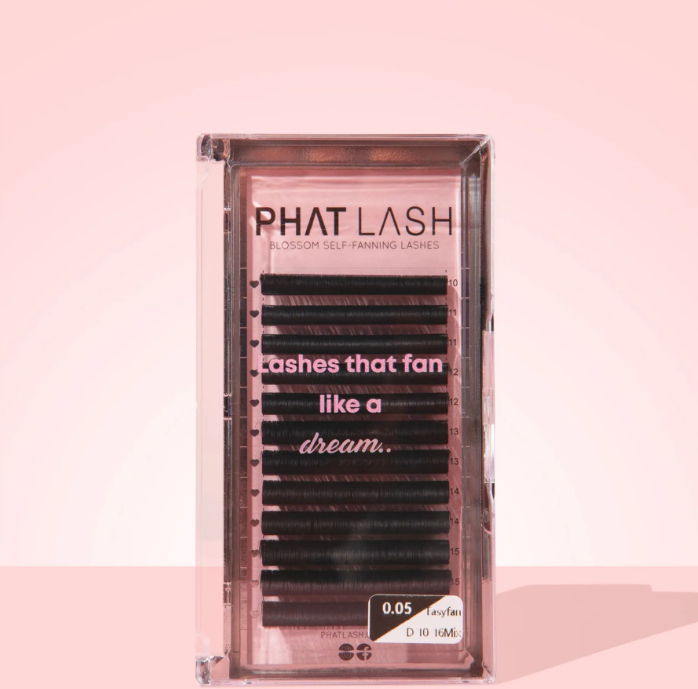
When it comes to lash extensions, choosing the right curl can completely change the final look. From a soft, natural finish to a dramatic, lifted effect, different lash curls are designed to create different results.
But with so many options available, it can be confusing to know which curl is best. In this guide, we’re breaking down the most popular lash curls and explaining how they can be used to create different lash styles.
What Is a Lash Curl?
A lash curl refers to the amount of curve in an individual lash extension. The curl determines how lifted or straight the extension appears once applied to the natural lash.
The right curl should be chosen based on the client's natural lashes, eye shape, desired result and the type of lash set being created.
B Curl
B curl is one of the softest curls available and has a gentle, subtle lift.
It is ideal for clients wanting a natural-looking lash enhancement without a dramatic curl. B curl can work particularly well on clients with naturally straight or slightly lifted lashes who want a soft finish.
Best for:
-
Natural lash sets
-
A subtle enhancement
-
Clients wanting a softer look
-
Lower or more naturally shaped lashes
C Curl
C curl is one of the most popular lash curls and offers a beautiful balance between natural and lifted.
It creates noticeable curl without looking overly dramatic, making it a versatile option for many different lash styles.
Best for:
-
Classic lash sets
-
Natural and glamorous looks
-
Clients wanting a noticeable lift
-
Everyday lash extensions
CC Curl
CC curl sits between C and D curl, giving you a little more lift while still maintaining a relatively soft appearance.
It is a great option when a client wants more drama than a C curl but doesn't want an extremely curled finish.
Best for:
-
Soft glam sets
-
Hybrid lashes
-
Clients wanting extra lift
-
Creating a more open-looking eye
D Curl
D curl creates a much stronger and more dramatic lift than C or CC curls.
It is perfect for clients who love a bold, glamorous lash look. D curl can also be useful for creating the appearance of a more open eye, depending on the client's natural lash direction and eye shape.
Best for:
-
Russian volume sets
-
Glamorous lash looks
-
Clients who love dramatic curls
-
Creating a lifted appearance
L Curl
L curl has a straighter base before creating a sharp lift at the tip. This makes it particularly useful for certain eye shapes and clients with straighter natural lashes.
The flatter base can also provide a larger contact area with the natural lash when applied correctly.
Best for:
-
Straight natural lashes
-
Hooded or deep-set eyes
-
Creating a lifted effect
-
Clients wanting a different look from traditional curls
L+ Curl
L+ curl offers a stronger lift than an L curl while maintaining a relatively straight base.
It can be a great choice when you want a dramatic, lifted finish while still having a flatter base to work with.
How Do You Choose the Right Lash Curl?
There isn't one curl that works for every client. Lash technicians should consider several factors before choosing a curl.
1. Natural Lash Direction
Look at how the client's natural lashes grow. If they naturally point upwards, a softer curl may be enough. If they point downwards or are very straight, a stronger or specialised curl may create a better lifted effect.
2. Eye Shape
The client's eye shape can influence which curl will complement their features best. The goal is to enhance the eyes rather than simply choosing the curliest lash available.
3. Desired Result
Always consider what the client wants. Someone looking for a natural everyday set may prefer B or C curl, while a client wanting a dramatic Russian volume set may prefer D or a more specialised curl.
4. Natural Lash Strength
The extension must be suitable for the natural lash. Lash technicians should always consider the length, thickness and condition of the natural lashes before selecting extensions.
Can You Mix Different Lash Curls?
Absolutely! Mixing curls can help create customised lash sets and is a great way to work with different areas of the eye.
For example, a lash technician may use C curl throughout the set and introduce a stronger curl in certain areas to create extra lift and definition.
Different curls can also be used alongside different lengths and lash styles to create personalised lash maps.
Choosing the right lash curl is an important part of creating a beautiful, balanced lash set. B, C, CC, D, L and L+ curls all have different characteristics, so understanding how each one behaves can help lash technicians create more personalised results.
Remember, the curliest lash isn't always the best lash. The perfect curl should complement the client's natural lashes, eye shape and desired look while allowing you to create a safe and professional set.
Whether you're a beginner lash technician or looking to expand your knowledge, understanding lash curls is an essential part of mastering lash extensions.
Comments